J&N adheres to maximize our support through a comprehensive list of available services for various makes, models and years. We strive to repair your vehicle with the utmost standards, while maintaining an ecologically friendly mindset as we complete every job.
Click the service of interest to get more information on the repair. Each section will help with potentially identifying the issue with your vehicle. It will provide some insight into the symptoms you are facing as well as clarifying what services are offered.
Make note that routine maintenance is preventative care for your vehicle that should be made a habit. The frequency may depend on different factors such as what it is that needs maintenance, mileage and time.
-
+ Routine Maintenance
-
Oil & Filter Replacements
We provide conventional, full synthetic, synthetic blend and high mileage oil changes. What your car needs, we got. This service includes a new filter, oil disposal and a top off.
To keep your car running at its best and its longest, we recommend changing your oil every 5,000 to 7,500 miles for modern vehicles using synthetic oil. Every 3,000 miles for older vehicles. Your oil should not be pitch black or have a sludge-like texture. Do not let your oil get to that point. Some vehicles come with features that help keep track of oil life as well. It's probably time for a change at around 20%.
-
Fluid Flushes & Top Offs
Don't let low or degraded fluids ruin your day. To prevent compromise to your vehicle's reliability, we inspect, top-off and flush those fluids. These steps ensure your engine's protection and extends the life of its components.
Fluids include antifreeze, brake fluid, transmission fluid, power steering fluid, windshield fluid and blinker fluid ;).
Suggested schedules for flushes:
Varies largely based on vehcle make, model and year. Check owner's manual for more accurate schedules.
- Brake fluid: Every 2 years/30,000 miles
- Transmission fluid: Every 30,000-60,000 miles for manual/older automatics, up to 100,000 miles for more modern cars
- Power Steering fluid: Every 50,000-75,000 miles/when inspected and found dark
- Antifreeze: Most manufacturers recommend changing your coolant every 3 to 5 years or 30,000 to 100,000 miles
- Windshield: When empty or needs to be changed to navigate changing seasons
-
Filter Replacements
Swap out dirty engine air filters and cabin air filters. A good rule of thumb to go by on how often would be every 12,000-15,000 miles or once a year. Whichever comes first. Driving on unpaved roads, in heavy traffic or dusty, polluted areas the frequency for replacements increases to every 6,000 to 10,000 miles. As always, the vehicle's owners manual will offer specific recommendations for your car. These are general estimates based off of driving.
-
Spark Plug replacements (Tune Up)
We remove the worn plugs and reinstall new ones. Replacing plugs will prevent the small issues (e.g. misfires) from getting bigger. If you put off getting the spark plugs changed, your coils will fail, the catalytic converter will get damaged, and there could potentially be severe engine damage. Generally, spark plugs need replacement every 30,000 to 100,000 miles. The mileage depends on the material of the spark plugs and if your engine is turbocharged. There are also signs to keep an eye out for: rough idling, hard starts, bad gas mileage, and misfires. If you have any of these symptoms, it's probably time to get those plugs replaced.
- Copper plugs: Every 30,000 miles
- Platinum plugs: Every 60,000 to 100,000 miles
- Iridium plugs: 80,000 to 100,000 miles
-
Belts & Hoses
Old, worn, brittle, cracked. It's important to maintain the good condition of serpentine belts and radiator hoses as those keep the engine running smooth.
For serpentine belts: they should be replaced every 60,000 to 100,000 miles, or every 5 to 6 years to prevent sudden engine failure. The rubber dries out with time and wear. There are signs that the belt is coming to the end of its life as well. Squealing from under the hood during startup or acceleration, visible cracks and wear, or a smooth and shiny surface caused by friction and slipping. Once the belt slips off or snaps/breaks, you'll likely face a loss of power steering and/or an airconditioning shut off. This needs immediate action. The car will not function until a new serpentine belt has replaced the old one.
For radiator and cooling hoses: they should be replaced every 50,000 to 100,000 miles, or every 4 to 5 years. These hoses degrade overtime from the inside due to extreme heat and chemical exposure. Signs its time are that they feel spongy or mushy when squeezed, stiff or brittle and lacks flexibility (these could end up snapping), visible damage (e.g. bulging, swelling, fraying, cracks, etc.), green or pink crusting (signals that there is a leak), or the engine overheats.
-
Windshield Wiper Blades
Rhode Island winter months take a toll on wiper blades. You don't wanna be caught up in hazardous conditions caused by torrential rains with damaged blades. The life of wiper blades usually lasts for about 6 months. Less if you see signs of streaking, hear squeaking or chattering, or see pealing rubber or cracks and splits in the blades.
-
-
+ Brake System
-
Brake Pads
Brake pads are a component in a vehicle's braking system. The pads press against the rotor which causes the vehicle to slow down and stop. Naturally, this friction wears down the pad. This wear can affect how well and fast the car can come to a halt. This can put you and others on the road in danger. Pads need routine replacement to ensure braking remains consistent. Putting a pad replacement off can damage other components in the brake system as well.
Our general recommendation on how often brake pads should be replaced depends on mileage, driving habits and trafic. Generally, you want your pads replaced every 25,000 to 65,000 miles. City stop and go wears on brakes much faster than, say, highway travel.
Signs your pads are worn: high-pitched screeching, metal grinding, shaking when pressing brake, it takes more time to brake, less responsive, pulling to one side when braking, and/or a light pops up on your dash if you have electronic brake sensors.
-
Brake Pad & Rotor Replacements
Brake rotors are the large, circular metal discs attached to your vehicle's wheel hubs that spin along with the tires. Brake pads press into this component, clamping both sides of the disc to create friction, disipate heat and help bring your vehicle to a stop.
Rotors usually last between 30,000 and 70,000 miles. Often times, rotors are changed on every second brake pad replacement. Common warning signs include: a vibrating steering wheel when engaging the brake pedal, loud scraping or grinding noises when braking, longer stopping distances, visual damage (e.g. grooves, cracks, etc.), thin metal (visually observing the rotor), and/or discoloration.
-
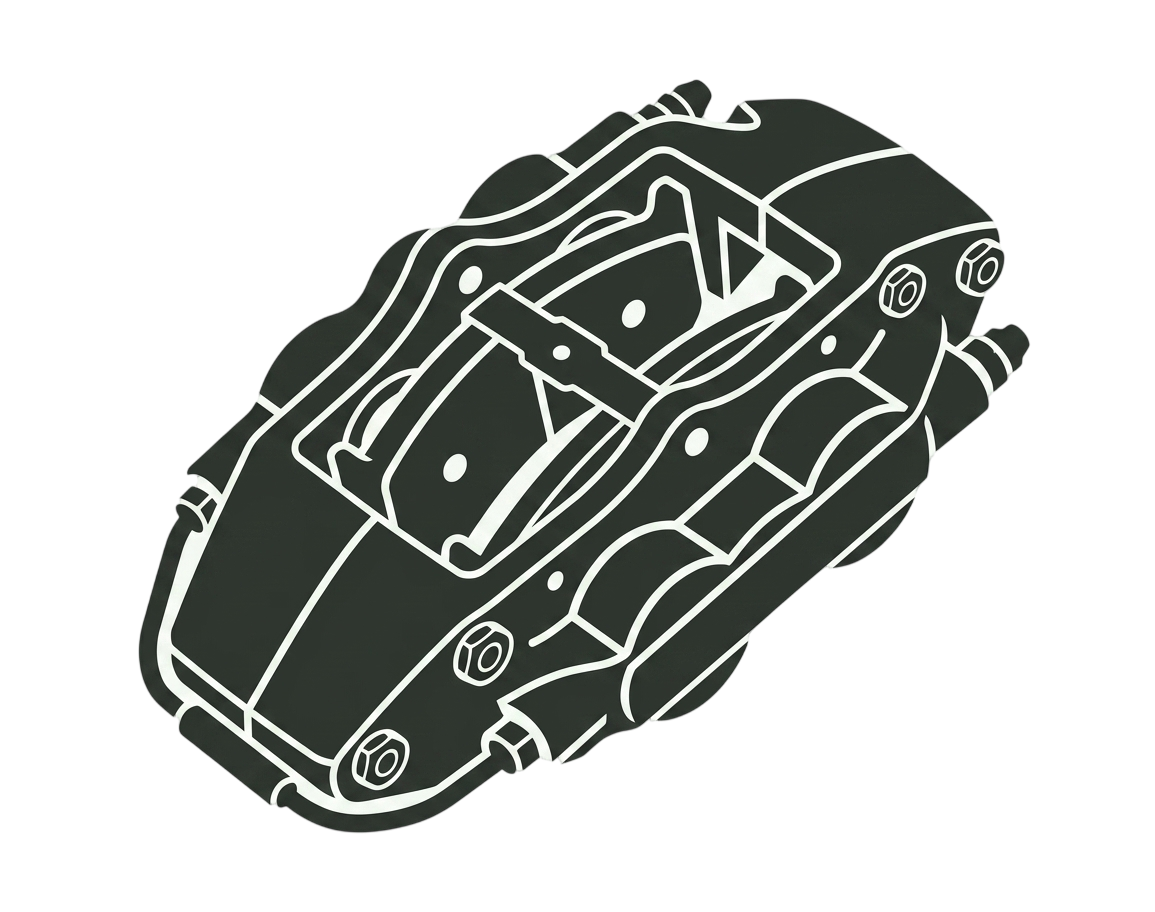
Brake Caliper Replacements
Brake calipers are the hydraulic components responsible for pushing the brake pads directly against each side of the rotors. This component generates the friction that brings your vehicle to a complete stop. Calipers do not have a set routine for replacement but they are built to last a while. They usually last for up to 100,000 (about 7-10 years). This number largely depends on driving habits, how well the brakes are maintained and environment (moisture, road salt, debris, etc).
Signs your calipers are on their way out are: car pulling to one side, one pad is thinner than the other (uneven brake wear), brake fluid leaks, reduced braking power or it's taking longer to brake, and/or noises when braking.
-
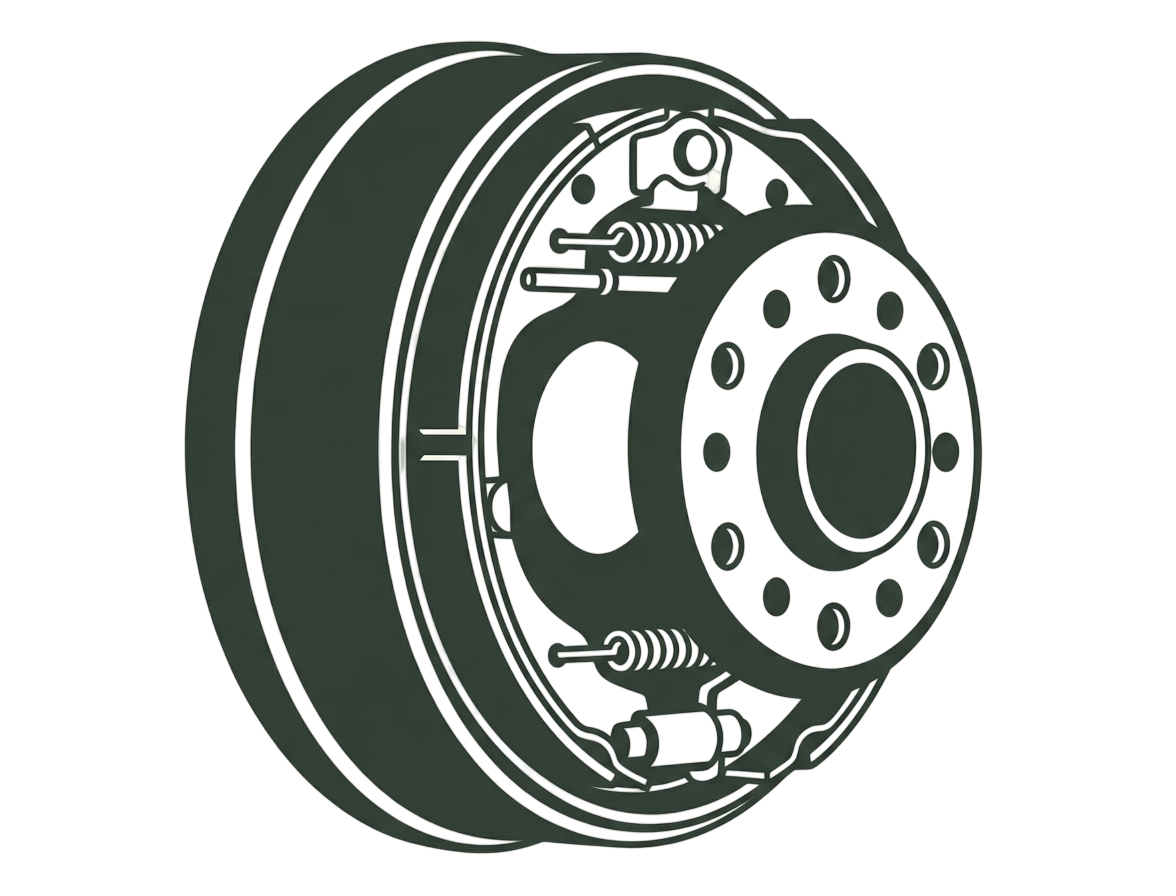
Brake Shoe & Drum Replacements
Drums have the same job as rotors, its just a different method of braking. Instead of having brake pads that clamp on both sides of a disc, the drum has a component called a shoe. The shoe pushes out on the inside wall of drum to stop a moving vehicle.
Brake shoes typically last for 30,000 to 50,000 miles, whereas the drums last longer. Often, drums will last up to 100,000 to 150,000 miles. Signs they need changing are: hearing squealing, scraping, or metal on metal grinding when pressing the brakes, the pedal feels spongy/soft or it feels like the pedal needs to be pushed farther to the floor to engage the brakes, you feel vibration when pressing the brakes, and/or the car is pulling to one side when pressing the brakes.
-
-
+ Battery
-
Battery Testing and Replacement
The battery is the 12 volt source of energy that gives your vehicle life. It starts the car and powers all the electrical components (radio, lights, etc.). Once the engine is running, the battery is actively being recharged and used. Car batteries should be replaced every 3 to 5 years. With age, it loses its ability to hold a proper charge. Environment, such as extreme heat or cold, can shorten a battery's life as well.
It should be tested annually to confirm that the battery is still holding the correct charge for your vehicle and to catch failures early. Signs of a failing battery are: engine takes longer to start or sounds sluggish, dim lights (headlights, interior lights, etc.), electrical issues such as windows, radio, seat heaters taking longer to repsond or are weak, dashboard warning, physical changes to the battery itself, or needing frequent jump-starts.
-
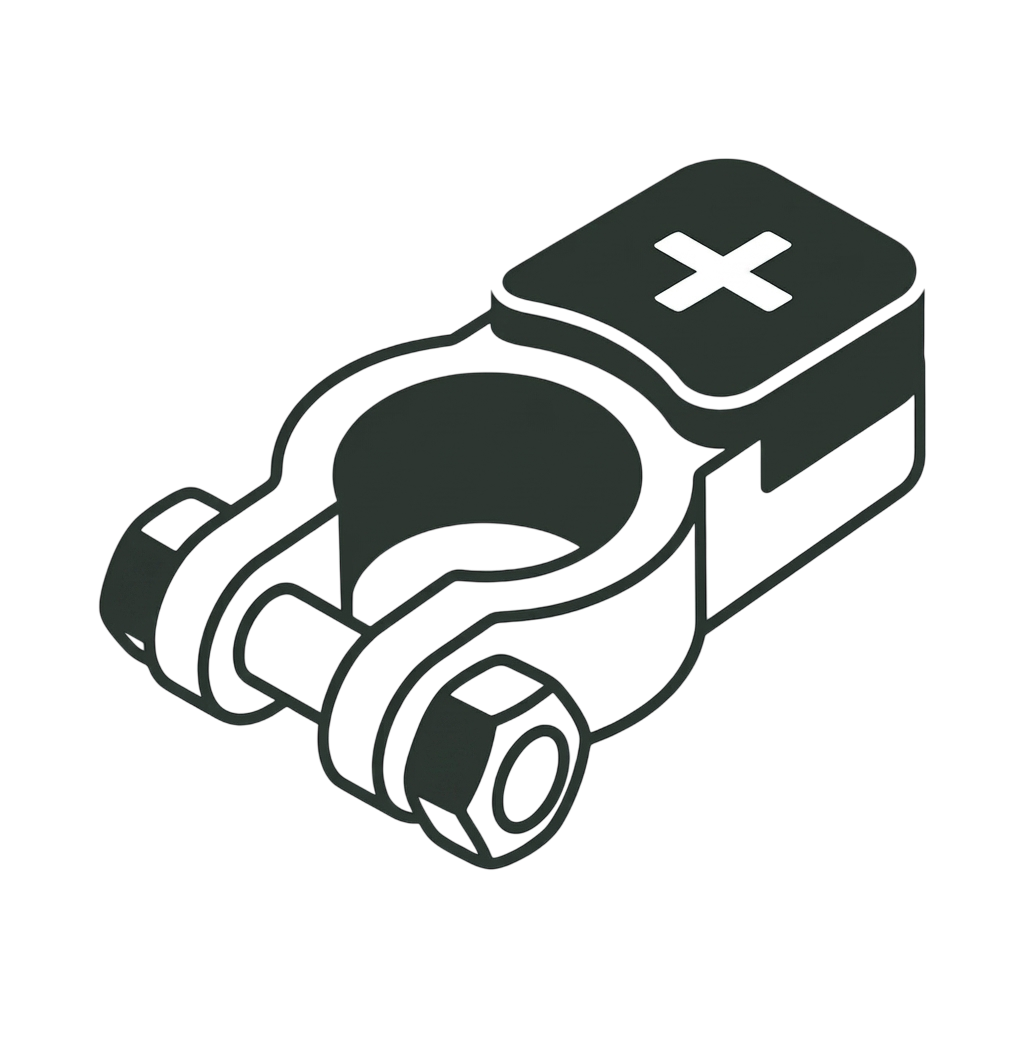
Terminal Replacement
A battery terminal is the metal contact point between the battery posts and the wires that link through the vehicle's electrical components. Every vehicle has a positive and a negative terminal to connect to the positive and negative battery posts, respectively. There is no set replacement schedule that should be followed when maintaining terminals. They can often last the entire life of the vehicle.
Replacement only needs to occur when there is physical damage like cracks, heavy corrosion that eats at the metal or if the terminals don't sit tight on the posts. If your car loses power or fails to start, it could be another sign you likely need to change the terminals. These troubles stem from a loose/damaged terminal due to the electricity not traveling smoothly.
-
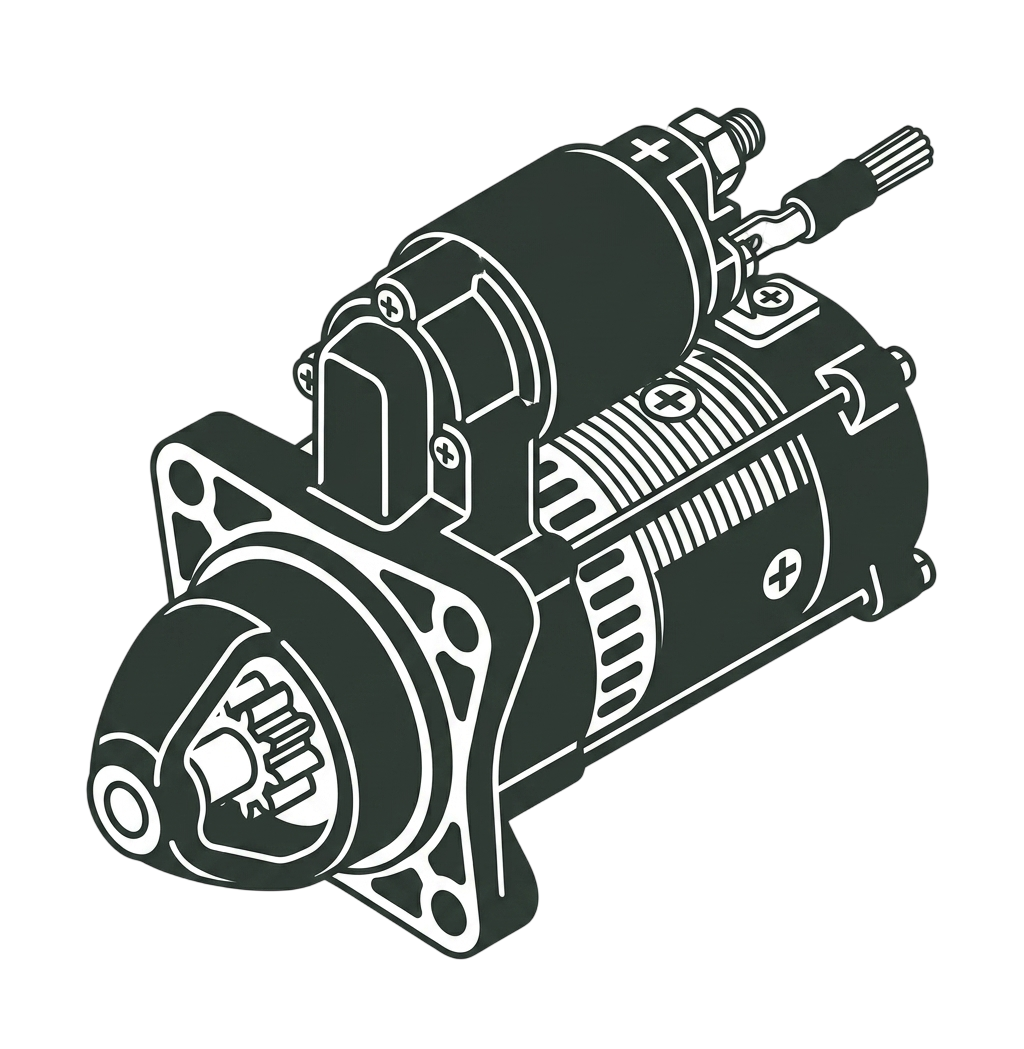
Starter Replacement
A starter is a motor that uses charge from the vehicle's battery to crank the engine when you turn the ignition key or press the start button. The component does not follow a fixed maintenance schedule and only needs replacement when it fails. It typically lasts up to 100,000 miles or the lifetime of the vehicle.
Signs of a failed starter include: clicking (a single click or rapid clicking when "turning the key"), dashboard lights still working despite not starting (clear indicator), slow or sluggish cranking, a grinding or whirring sound without the engine starting and/or smoke or burning smell (starter overheating).
-
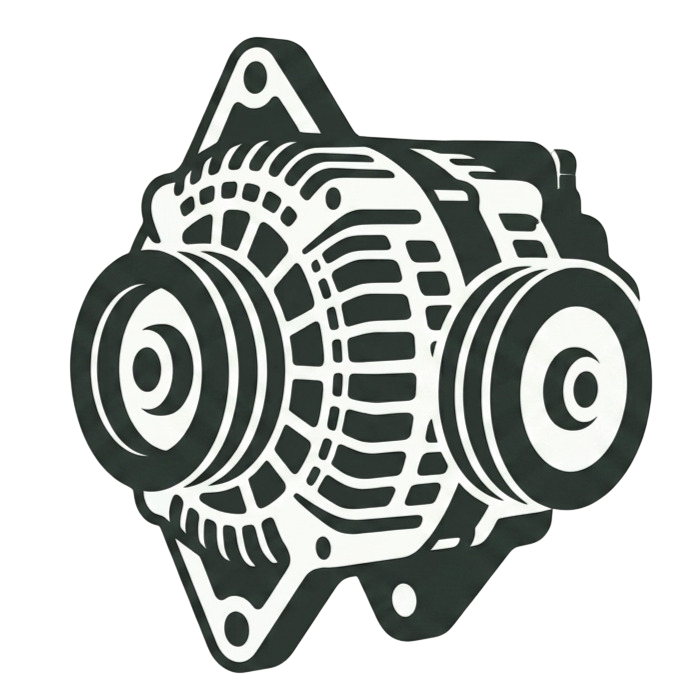
Alternator Replacement
The alternator is a vehicle's generator. It continuously powers the electrical components of the car and simultaneously recharges the battery while the engine runs. This process is done by translating the mechanical energy from the engine (i.e. the serpentine belt) into electricity. This component does not follow a script schedule for maintenance. They do typically last up to 7+ years or 80,000+ miles.
Signs you may be dealing with a bad alternator are: dashboard warning (could appear as a battery symbol), lighting issues (dim/flaring/flickering lights), battery trouble due to the failure the recharge (requiring a jump-start), electrical glitches, burning smell (overheating), and/or engine stalling.
-
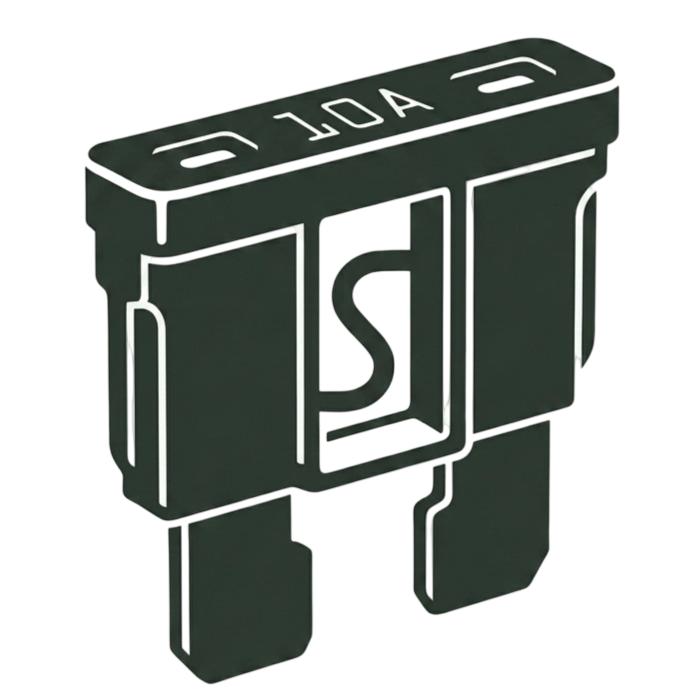
Fuse Troubleshooting
A vehicle's fuses are the small components responsible for protecting the electrical wiring. It safeguards against overcurrents and short-circuits. If a short or a dangerous current is detected, the fuse blows and melts and in turn, breaks the circuit. This process stops the current from doing any major damage or starting a fire. Car fuses should only be changed when they blow, meaning there is no set timeline or frequency for replacement.
Signs of a blown fuse are: sudden failure of a single electrical feature (such as the radio, horn, windshield wipers, power windows, interior dome lights, etc.), while the rest of the car operates normally.
-
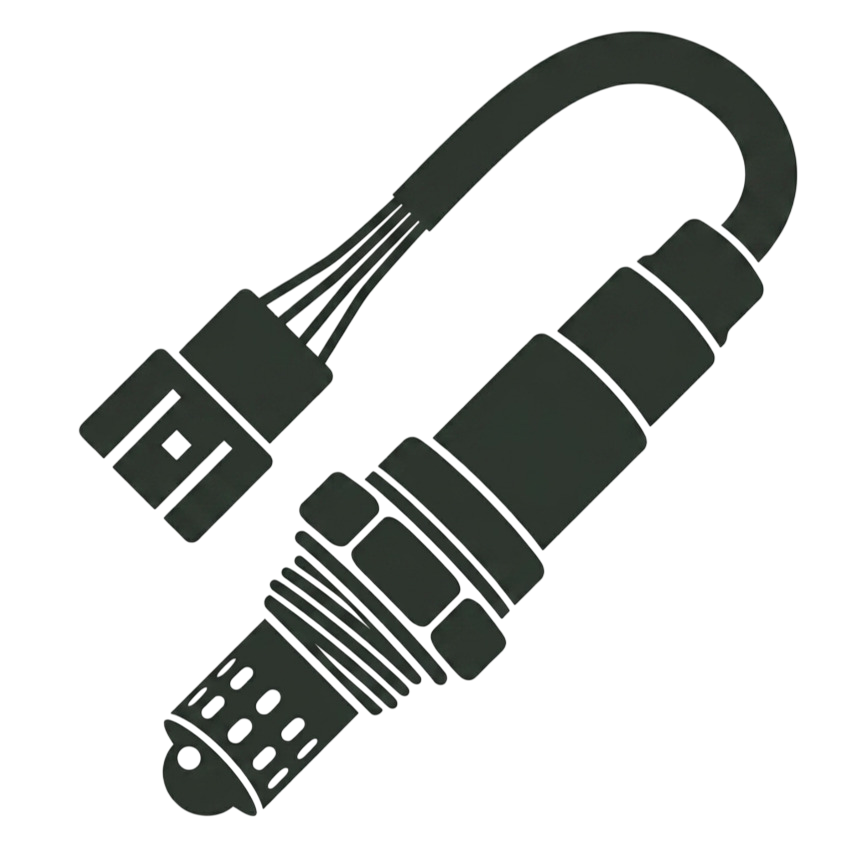
Sensor Replacement
Sensors are small electronic devices that monitor a vehicle's internal systems. They detect changes in conditions like temperature, pressure, and speed. The monitored signals are then translated into data and sent to the engine control unit (ECU). The data is used to regulate and maintain consistent conditions by making real-time adjustments to optomize performance and safety. Modern vehicles rely on anywhere from 70 to over 200 sensors. Car sensors do not have a fixed maintenance schedule and are only changed when they fail.
Common signs there may be a sensor failure are: check engine light, poor fuel economy, engine misfires, rough idling, sluggish acceleration, difficulty starting, or erratic ABS brake response.
-
-
+ Tire Services
-
Mounting, Patching, and Rotating Tires
Proper tire care ensures optimal traction, fuel economy, and safety. Tire rotation moves tires from one position to another (e.g., front to back) to ensure even tread wear. Patching repairs punctures in the tread area caused by nails or screws, while mounting installs brand-new tires onto your wheel hub.
You should rotate your tires every 5,000 to 8,000 miles or roughly every 6 months, often at the same time as an oil change. Most tires last 50,000 to 70,000 miles, but tire age should not exceed 6 years regardless of tread depth. Punctures can be safely patched only if they are in the center tread area and smaller than 1/4 inch; sidewalk damage requires tire replacement.
Signs you need tire service include: uneven tread wear, steering wheel vibration at high speeds, low tire pressure warning light (TPMS), visible nails or embedded debris, or thread depth reaching 2/32" or lower. When you get new tires, you can make them last longer by keeping your tires filled to the exact PSI on your car door sticker and rotating your tires every 5,000 to 8,000 miles so they wear evenly.
-
Shocks & Struts
Shocks and struts are key parts of your suspension system that absorb impacts from road bumps, keep your tires firmly on the pavement, and maintain vehicle stability during turns and braking.
How Often to Change a Vehicle's Suspension parts
- Shocks and Struts: Every 50,000 to 100,000 miles
- Control Arms and Bushings: Every 50,000 to 150,000 miles
- Ball Joints: Every 70,000 to 150,000 miles
Car suspension parts usually need replacement between 50,000 and 100,000 miles, with components inspected every 12,000 to 15,000 miles. This heavily depends on road conditions and driving habits. Driving frequently over pothole-heavy roads or carrying heavy loads accelerates wear. Key warning signs include a rougher ride, excessive bouncing, Nosediving (i.e. front of the car dips down hard when you press the brakes), clunking and knocking noises, and uneven tire wear.
-
Power Steering
A power steering system is an automotive mechanism that reduces the physical effort required to turn a vehicle's steering wheel. By doing the heavy lifting, it makes maneuvering and parking significantly easier at low speeds while providing better control and stability at highway speeds.
Hydraulic power steering components last up to 100,000 miles and only needs to be changed when it fails or wears out. It tends to need routine fluid changes every 30,000 to 50,000 miles (about every 2 years) to prevent pump failure. Electric power steering (EPS) systems require less routine maintenance since it doesn't use fluid but should be inspected for electrical faults or worn mechanical linkages.
Signs your power steering needs to be serviced: whining or moaning noises when turning, stiff or heavy steering, dark or dirty fluid, low fluid levels, warning lights on the dash, or red/brown fluid leaking under the front of the vehicle.
-
-
+ Cooling & Climate Control
-
A/C Recharge
An A/C recharge involves evacuating old refrigerant, testing the system for leaks under vacuum pressure, and topping off the system with fresh refrigerant.
A vehicle's A/C system is sealed, meaning it should not lose refrigerant under normal operation. However, minute seepage through rubber hoses over 3 to 5 years can reduce cooling performance, requiring a recharge and leak test.
Signs you need an A/C recharge: the air conditioning blows lukewarm or warm air, inconsistent cooling (air feels slightly cool when driving fast, but turns warm while idling in traffic), and delayed cooling.
-
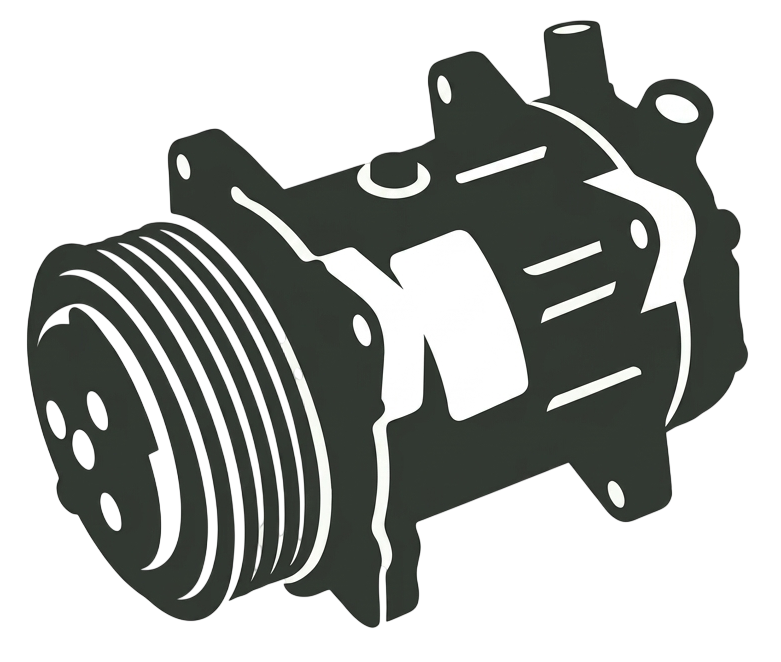
A/C Compressor & Condenser
An A/C compressor is the main unit of an air conditioning system. It pressurizes refrigerant and pumps cooling gases through the system. This process removes heat from the interior of the vehicle. This component should only be changed when it breaks down, usually lasting 8 to 15 years. Signs of a bad compressor are: warm air when the system is running, strange noises when A/C is on, A/C clutch failing to spin, and/or fluid leaks.
An A/C condenser is located at the front of the vehicle, in front of the radiator. The condenser acts like a mini-radiator that dumps heat out of your A/C system so cold air can blow through your vents. A car's A/C condenser is built to last about 8 to 10 years (or around 120,000 miles). However, because it sits at the very front of your car, road debris, stones, and harsh weather can shorten its life. You'll need to replace it if it develops refrigerant leaks, gets damaged by debris, or clogs up internally. Signs of a bad condenser are: air blowing lukewarm even after a recharge, visible leaks/oily spots near the front grille/condenser, physical damage, engine overheating, and unusual noises.
-
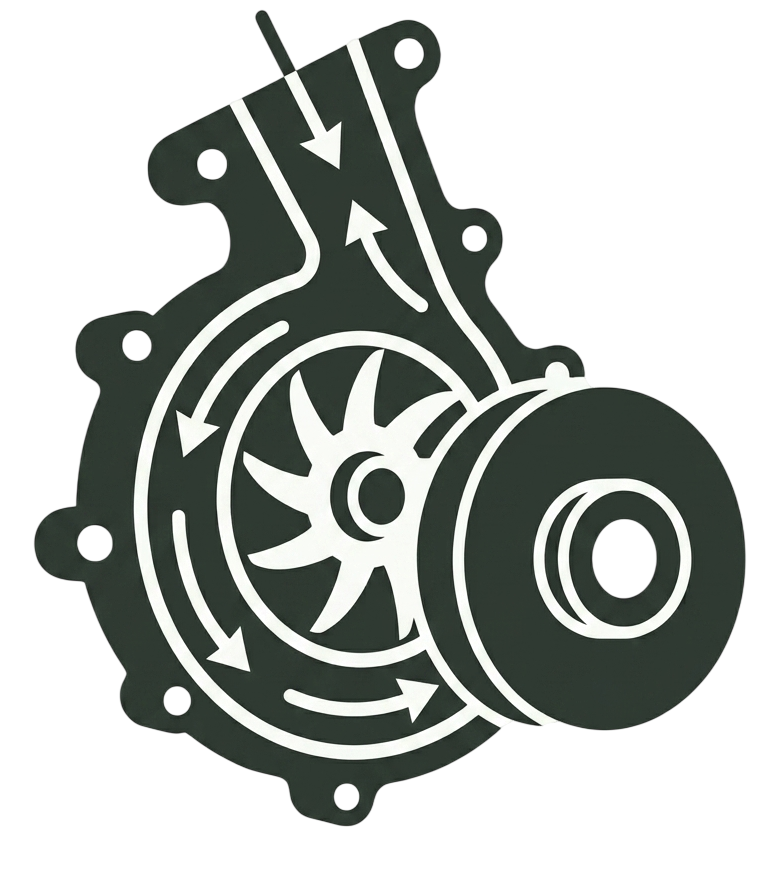
Water Pump
The water pump is the main unit of an engine's cooling system. It circulates liquid coolant to maintain a consistent temperature for the engine. It keeps the engine from getting too hot by pushing fluid through the engine block and radiator. The unit should generally be replaced every 60,000 to 100,000 miles, or right away if it leaks, makes noise, or causes the engine to get too hot. They are frequently replaced as preventative maintenance during a timing belt service, as failure can lead to catastrophic engine overheating.
Symptoms of a failing water pump are: engine temperature gauge rises into the red zone because fluid is not moving, coolant leaks under the car (green, pink, orange liquid), and unusual noises from the front of the engine.
-
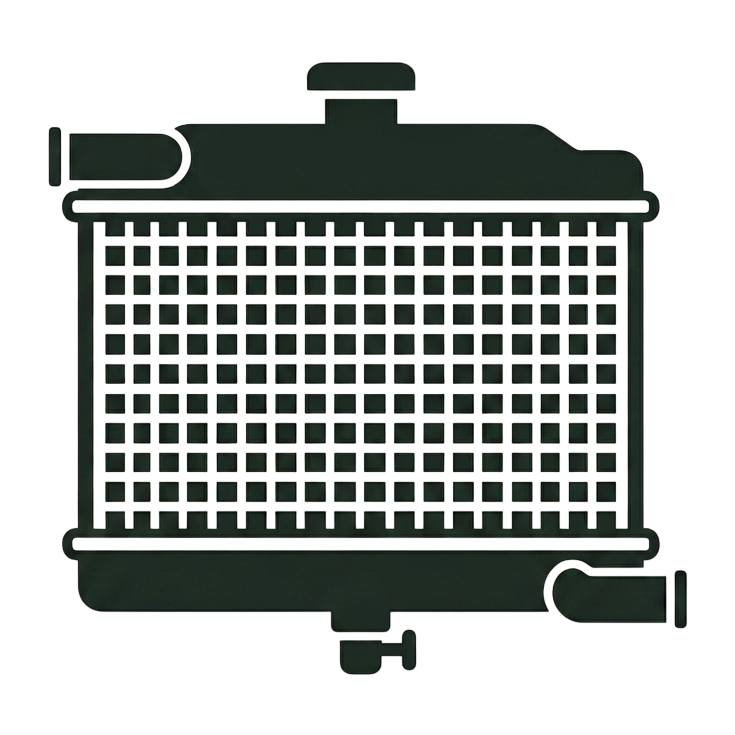
Radiator
A vehicle's radiator is an important unit in the engine's cooling system. It prevents the engine from overheating by dissipating the heat absorbed by engine coolant before returning it to the engine. It has three main parts: the core, inlet/outlet tanks, and a pressure cap.
Most car radiators are built to last 8 to 10 years (50,000 to 100,000 miles), provided you flush and change the coolant every 3 to 5 years. Without regular flushes, internal passageways can clog with sludge, plastic end tanks can crack, and metal seams can corrode. If you notice fluid leaks under the front end, visible rust, or an engine that keeps overheating, it's time for a replacement.
-